
The holiday season is often spoken about as a time of joy, celebration, and togetherness - but for many people, it’s also a time of holiday stress, disruption, overwhelm, and emotional strain.
As a counsellor and psychotherapist, I see how this season can stir up old wounds, amplify identity stress, and create pressure to “perform” festivity even when you’re exhausted or disconnected. For many, the idea of “coming together” as a family is much more complicated than it sounds. Some families are grieving. Some are navigating addiction. Some aren’t close, or rely on fragile peacekeeping to get through the day. Sometimes the holidays mean pretending everything is fine, even when it isn’t.
For neurodivergent people or people with disabilities or chronic conditions, this season can feel even more demanding. Routines shift. Travel throws the body off balance. There are more social expectations, more sensory overload, and fewer opportunities for rest or regulation. Even joyful things can be draining.
What I see often in therapy is this: the holidays tend to magnify things.
This blog explores why this time of year can be hard, what might be happening beneath the surface, and some gentle ways to take care of yourself. Whether you’re navigating family gatherings, financial stress, or the quiet ache of loneliness, my hope is that you’ll find compassion, validation, and practical support here.
If you’re neurodivergent, disabled, or chronically ill, your health and wellbeing will likely depend on predictability, structure, and rhythm to stay regulated, safe, and well. Holidays tend to disrupt all of that.
Suddenly:
For people with conditions like ADHD, Autism, POTS, diabetes, chronic fatigue, chronic pain, migraines, or autoimmune illnesses, even small routine changes can have significant physical consequences.
Unexpected noise or crowded environments can cause sensory overload
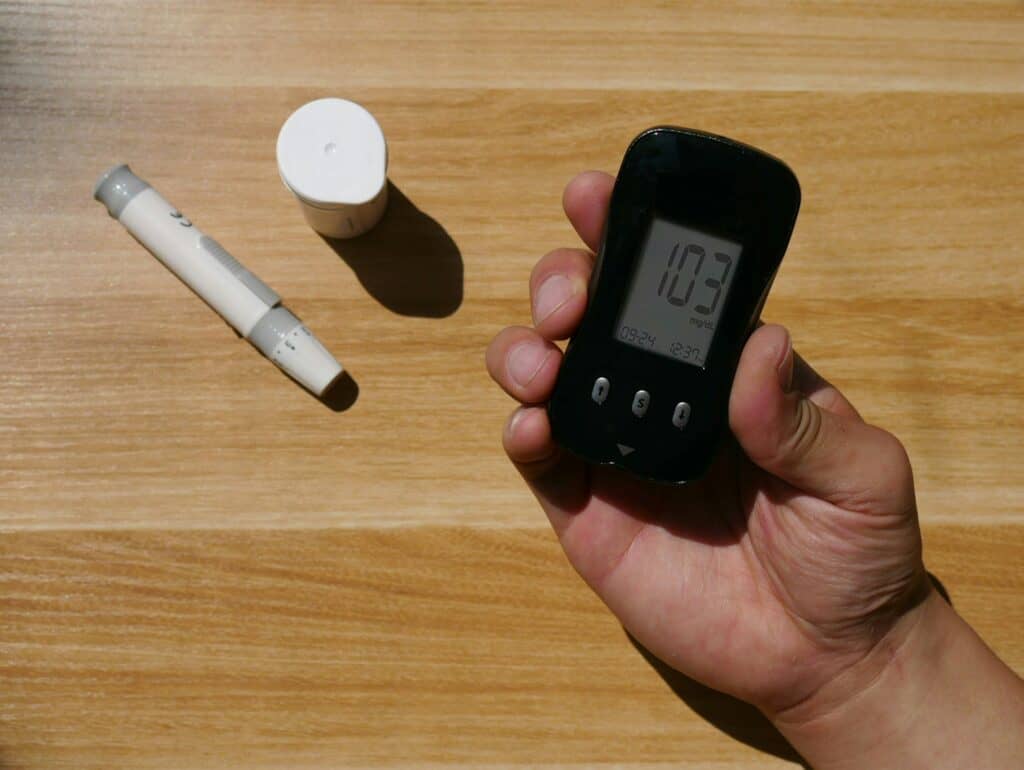
A different meal time can affect blood sugar.
A late night can trigger symptoms.
Travel can worsen pain, flare-ups, or dizziness.
Stress can increase inflammation or dysregulation.
The emotional load and physical load often feed into each other, making it harder to prioritise rest, pacing, medication schedules, hydration, or sensory regulation.
• Keep one or two non-negotiable routines (morning tea, quiet time, medication schedule, stretching, hydration, whatever anchors you).
• Use headphones, sunglasses, familiar scents, or small sensory tools during gatherings.
• Build a small support or regulation kit: meds, oral hydration, salty/sweet snacks, fidgets, ear plugs, gum, a grounding object.
• Let someone you trust know in advance what you might need: a quiet room, a shorter stay, help keeping track of time.
• Pace where you can. Rest is a legitimate strategy, not a failure.
Even in loving families, holiday gatherings can bring up long-standing conflicts and patterns that feel impossible to escape. Old dynamics have a way of resurfacing the moment everyone is in the same room. Tension that’s usually manageable can feel amplified, and the pressure to “keep the peace” often falls on the same people every year.
You might notice familiar stressors creeping in, such as:
And for families who have experienced loss, grief often feels sharpest during family gatherings – when you see the empty seat at the table and the tradition that no longer feels the same.
• Decide your limits before you go : how long you’ll stay, what topics you won’t engage with, and what role you refuse to slip back into.
• Give yourself permission to take breaks without justification.
• Plan an exit time or a strategy for stepping out if you feel overwhelmed.
• Keep simple, respectful boundary phrases ready:
“I’m going to take a moment.”
“I’m not comfortable talking about that.”
“Let’s change the topic.”
• Allow yourself to feel what you’re feeling - frustration, anger, discomfort, grief, sadness. You don’t have to force yourself into feeling “festive.”

Money stress is one of the biggest sources of tension during the holiday period, yet it’s rarely spoken about openly. Financial strain can create anxiety, shame, and conflict - both internally and within families.
There’s pressure to
• Buy gifts
• Host or attend gatherings
• Travel
• and maintain an image of “doing the holidays right”
And with the cost-of-living crisis, social media comparisons, and families who may not understand your financial boundaries, it’s easy to feel inadequate or guilty for not keeping up.
• Set a clear, achievable budget - and communicate it without apologising.
• Consider lower-cost options: potlucks, Secret Santa, “no gift” agreements, and homemade gifts.
• Use community resources if needed (food banks, neighbourhood Christmas lunches, local support services).
• Remind yourself that your worth isn’t measured by what you can afford.

Holiday messaging tends to focus on connection, family, and togetherness, which can feel painful or alienating if that isn’t your reality. Some people don’t have family to celebrate with, are estranged, live far away, or are working through the holiday period. For others, being surrounded by people doesn’t erase the feeling of not quite fitting in.
Many adoptees, migrants, people in blended families, and those navigating cultural or racial differences describe this. The holidays can highlight a sense of “otherness” or bring up identity contrasts that aren’t always visible to others.
There’s also the awkwardness of having to explain why you’re not travelling “home,” or why home is complicated. When everyone else seems to follow a familiar script, it can make your experience feel harder to share.
• Spend time with people who genuinely feel safe or supportive, even if they’re not family.
• Build or adapt past traditions that feel comforting or grounding.
• Acknowledge your feelings without minimising them - loneliness isn’t a personal failing.
• Make a simple plan for days that feel heavy (even if it’s takeaway and a quiet night in).
• Offer yourself compassion. Belonging isn’t defined by having a picture-perfect holiday.

If this season is stirring up more than you expected, you’re not alone. The holidays have a way of brushing against old wounds, unmet expectations, and parts of ourselves we don’t always show the world. And when you’re moving through life as a neurodivergent person, a person of colour, an adoptee, or someone living between cultures, those layers can feel even heavier.
While I hope there may be some helpful suggestions above, therapy doesn’t fix the holiday season, but it can help you:
If that sounds like something you're interested, please reach out to book a session with me - available online in Australia and worldwide (excluding North America).
As a gentle reminder: you don’t need to feel festive to be worthy. You’re allowed to rest, to say no, and to choose peace over performance. The holidays don’t have to be perfect; they only need to be survivable - and, hopefully, kind.
If you ever feel like things are becoming overwhelming, remember that emergency support is available 24/7. In Australia, Lifeline offers a 24/7 crisis line at 13 11 14, and other supports are also available nationwide. Please see further resources here.
Seeking help is a sign of strength, and you don’t have to navigate the holidays alone.


