
Chronic pain is generally defined as pain that lasts at least 3 months, or beyond the expected healing time (source).
While some people experience chronic pain following an injury, surgery, or illness, others may live with pain connected to conditions such as autoimmune disorders, neurological conditions, arthritis, fibromyalgia, migraines, endometriosis, or chronic fatigue syndromes. For some, the cause is clearly identifiable. For others, it may remain uncertain or fluctuate over time.
Chronic pain is also far more common than many people realise. According to the Australian Institute of Health and Welfare, approximately 1 in 5 Australians live with chronic pain, with prevalence increasing significantly among women, disabled people, and older adults (source).
Internationally, chronic pain is increasingly recognised as a major public health issue and a significant contributor to disability, reduced quality of life, and poorer mental health outcomes (source).
Despite this, conversations around chronic pain often focus solely on the physical symptoms and treatment, rather than incorporating the emotional and psychological impact of living with a body that no longer feels predictable, reliable, or fully within your control.
Chronic pain rarely affects only the body. Over time it can affect identity, relationships, confidence, employment, social connection, and the way someone imagines their future.
There is a strong relationship between chronic pain and mental health, with research consistently showing higher rates of anxiety, depression, stress, trauma-related symptoms, and emotional distress among adults and children living with persistent pain conditions (source and source)
Researchers at UNSW Sydney and NeuRA have identified differences in neurotransmitters involved in emotional regulation among people living with chronic pain, which may help explain why persistent pain is so often associated with anxiety, depression, emotional exhaustion, and difficulty regulating distress.
For many people, this can be validating to hear. Chronic pain is not “just in your head,” nor is emotional distress simply a failure to cope. Ongoing pain can place significant strain on both the body and the nervous system over time.
Pain is exhausting.
Living with ongoing pain often requires constant adaptation. Many people find themselves monitoring symptoms, calculating energy levels, anticipating flare-ups, or weighing whether certain activities will be worth the physical consequences later. Over time, this can become emotionally draining.
Alongside the physical impact, chronic pain can create a particular type of grief that is often overlooked. People may grieve parts of themselves that once felt accessible and uncomplicated: the ability to move freely, socialise spontaneously, work consistently, exercise, travel, or trust their own body. Even small tasks can begin carrying emotional weight when they are no longer straightforward.
For many people, one of the hardest aspects of chronic pain is its unpredictability. Symptoms may improve temporarily, only to worsen again later. There can be periods of hope followed by setbacks, making it difficult to feel fully secure or in control. Sometimes people regain abilities they had previously lost. Sometimes symptoms stabilise. Sometimes they worsen again. Chronic illness and chronic pain are rarely linear experiences.
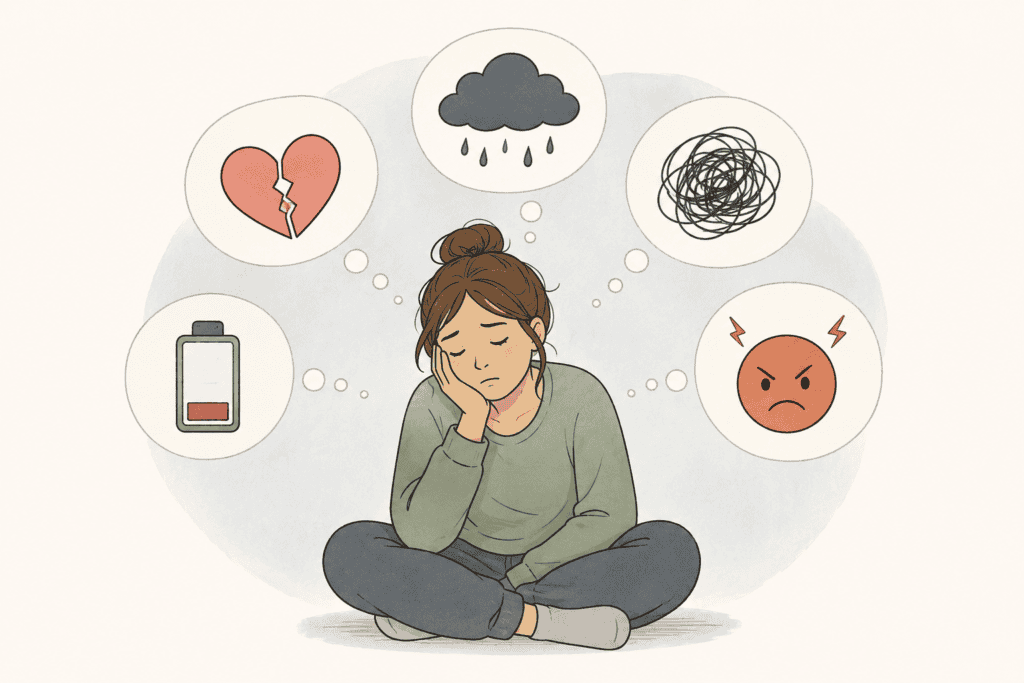
Living with this uncertainty can bring up a wide range of emotions. Grief, frustration, disappointment, resentment, fear, and anger often sit alongside one another. People may feel angry at their limitations, at cancelled plans, at medication side effects, at inaccessible systems, or at the unfairness of watching life become smaller or more complicated than it once was.
These emotional responses are not signs of weakness or failure to cope. They are often understandable reactions to ongoing pain, repeated losses, and the reality of having to continually adapt to circumstances that may be outside of your control.
Alongside this, many people living with chronic pain describe feeling isolated or misunderstood. Because pain is largely invisible, others may not fully grasp the extent of what someone is managing internally. People may appear “fine” externally while struggling significantly behind the scenes.
This can become particularly complicated when symptoms fluctuate. On days when pain is less severe, others may assume someone is recovering, improving, or capable of functioning at that level consistently. However, chronic pain is often unpredictable. A good day does not necessarily mean the pain has disappeared, nor does it guarantee that tomorrow will feel the same.
As a result, many people find themselves feeling misunderstood or pressured to meet expectations that their bodies cannot reliably sustain.
Some people begin withdrawing socially, not because they do not want connection, but because repeatedly explaining, justifying, or managing other people's expectations can become exhausting.
This disconnect can also lead many people to minimise their own pain, push themselves beyond their limits, or feel guilty for needing rest, support, accommodations, or flexibility.
One of the less discussed aspects of chronic pain is the way it can alter someone’s relationship with identity.
Many of us unconsciously build parts of our self-concept around what we can do. Our routines, careers, hobbies, independence, physical abilities, productivity, and future plans often become tied to how we understand ourselves.
When chronic pain interrupts those things, it can create a profound sense of disorientation.
People may begin questioning:
Who am I now?
What does my future look like?
What happens if my body cannot do what it once could?
This can be especially hard for people whose identities were strongly connected to achievement, caregiving, independence, athleticism, reliability, or productivity.
There can also be shame in needing help or accommodations within societies that often place significant value on productivity and physical capability.
Over time, many people living with chronic pain are forced to renegotiate their expectations of themselves and the world around them. This process is rarely immediate, graceful, or emotionally straightforward.
It often involves grief alongside adaptation.
One of the more difficult realities of chronic pain is that acceptance does not necessarily mean liking what has happened.
Acceptance is often less about “positive thinking” and more about gradually learning how to build a life around new limitations, realities, and needs.
That process may involve learning pacing strategies, adjusting goals, resting more intentionally, setting boundaries, taking medication despite side effects, attending therapy, or allowing life to look different than originally planned.
For some people, it may also involve learning self-compassion for the first time.
Many people living with chronic pain hold themselves to impossible standards, criticising themselves for struggling with circumstances that would be difficult for anyone. Yet living with ongoing pain often requires enormous emotional resilience, flexibility, and persistence.
Support can also play an important role.
This may come through therapy, chronic illness communities, trusted relationships, medical professionals, creative outlets, or simply being around people who genuinely listen without minimising the experience.
Importantly, adapting to chronic pain does not mean someone loses their identity, worth, or humanity simply because their capacities have changed
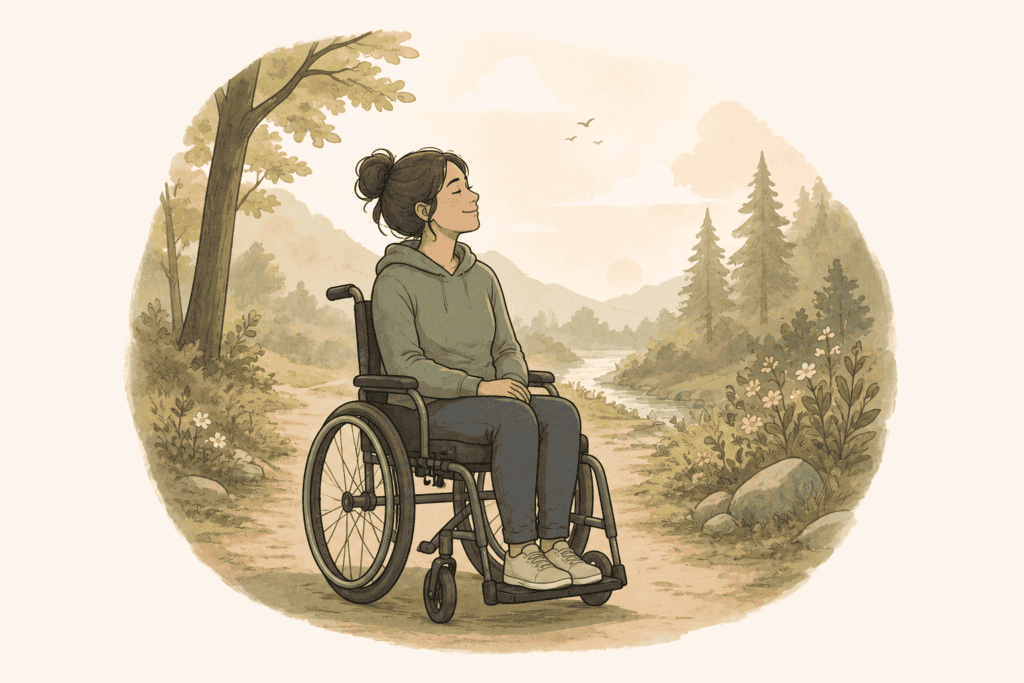
A meaningful life can still exist alongside limitation. There may still be connection, humour, creativity, intimacy, achievement, purpose, and joy, even if those things begin to look different than they once did.
Living with chronic pain often means learning to live differently, rather than perfectly.
There may still be grief, frustration, unpredictability, and days when pain feels overwhelming. There may be periods of exhaustion, setbacks, anger, or sadness about the life and body you once expected to have.
But over time, many people begin building a new relationship with themselves—one shaped less by self-criticism and more by flexibility, compassion, and adaptation.
Therapy cannot remove chronic pain, but it can provide a supportive space to explore the emotional impact of chronic illness, disability, grief, identity changes, anxiety, frustration, and loss. Many people find that counselling helps them make sense of these experiences, develop self-compassion, and adjust to life in ways that feel both realistic and meaningful.
If you are living with chronic pain and finding the emotional impact difficult to manage, you do not have to navigate it alone.


