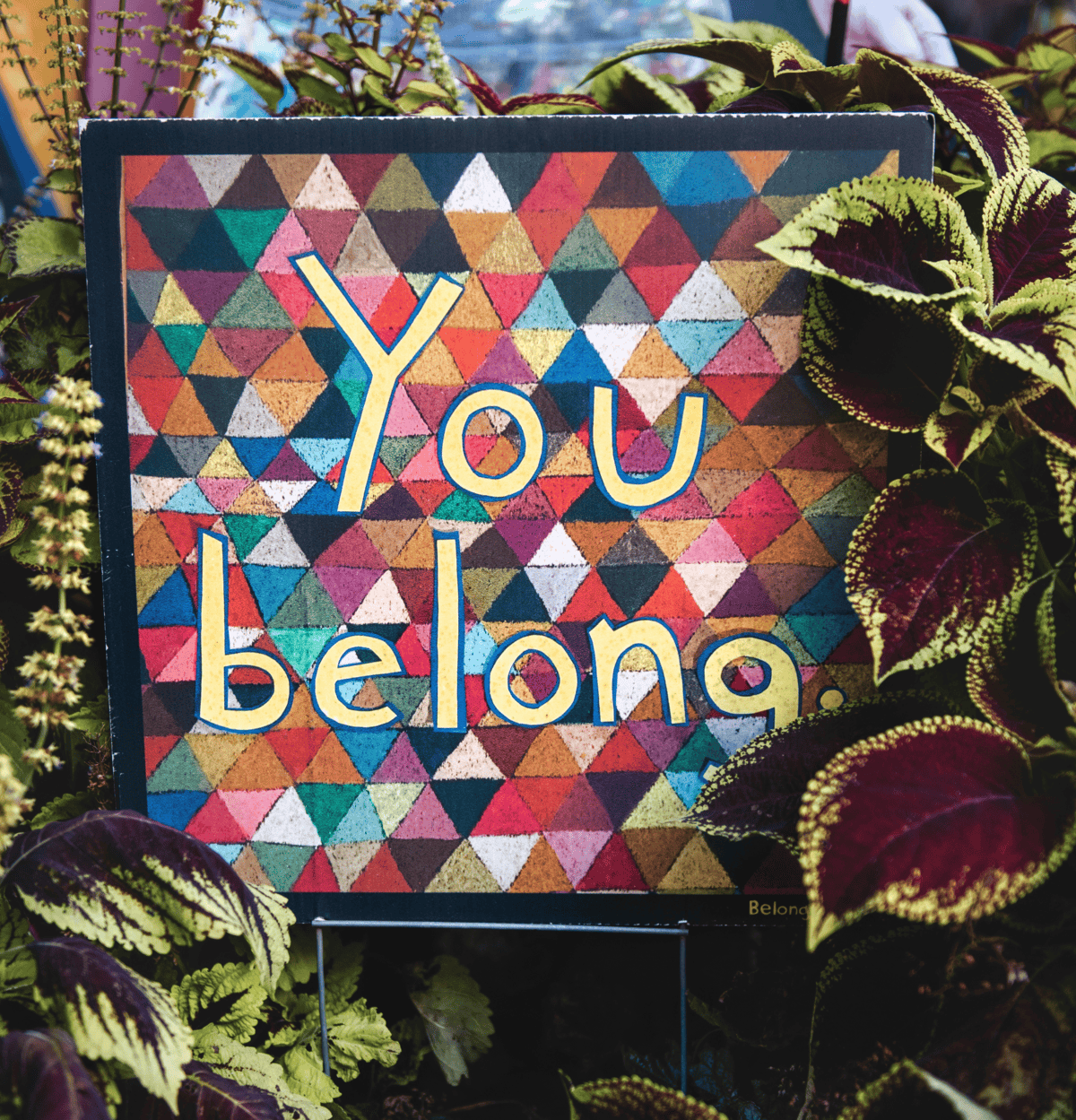
I only recently learned about Harmony Week. As a person of colour and an immigrant to Australia, I have to admit that my journey since arriving hasn’t always been easy. The world often feels increasingly divisive, shaped by ‘us vs. them’ mentalities. Yet, I believe that global connectedness, cultural diversity, and cultural sharing are net benefits to everyone - not just something to be tolerated, but something to be celebrated.
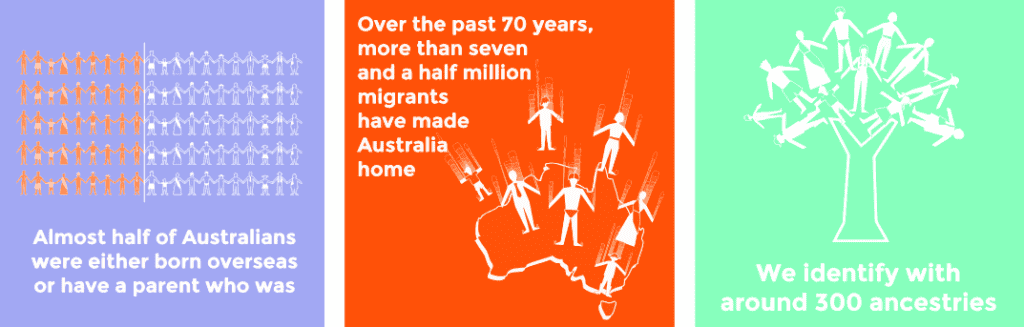
Harmony Week is an annual celebration of cultural diversity and the benefits it brings to Australia. Established as an Australian Government initiative in 1999, it highlights the rich multicultural fabric of the country - where nearly half of the population is either born overseas or has at least one parent from another country.
Here are some more stats provided by the Australian Gov:
This week also coincides with the United Nations International Day for the Elimination of Racial Discrimination (IDERD) on March 21, reinforcing the importance of inclusion, respect, and belonging.
This focus on belonging and identity is critical in mental health. I know firsthand how seeking support can be complicated by cultural stigma, language barriers, or difficulty finding a therapist who truly understands one’s experiences.
I believe that diversity strengthens our ability to heal. Therapy should be a safe, affirming space where all identities and backgrounds are honoured.
But how can we ensure that mental health support is truly inclusive? And why does cultural responsiveness in therapy matter so much?
Our cultural background shapes how we experience the world - including our mental health. From the way emotions are expressed to the support systems we turn to, culture plays a significant role in how we understand and cope with challenges. However, many individuals from minority backgrounds face unique struggles, such as:
Without culturally inclusive therapy, these challenges can lead to isolation and worsening mental health symptoms such as sadness, poor sleep and appetite and social isolation.
Culturally responsive therapy goes beyond simply acknowledging diversity - it actively integrates a person’s cultural identity into the therapeutic process. As a therapist, I take a person-centred, trauma-informed, and identity-affirming approach to ensure that clients feel safe and understood. This means:
For example, someone from a collectivist culture may feel deeply connected to their family and community. Rather than focusing solely on individual coping strategies, therapy could explore ways to strengthen these social supports. Similarly, an LGBTQ+ individual from a conservative background may need a therapist who understands the complexities of navigating their identity in different cultural spaces.
During my trauma training, I came across the Power Threat Meaning Framework (PTMF), and it fundamentally shifted how I think about mental health. Unlike traditional models that focus on diagnosing symptoms, PTMF asks:
🔸 What has happened to you? (Power – the ways in which power has been used against you)
🔸 How did it affect you? (Threat – the difficulties and challenges you’ve faced)
🔸 What sense did you make of it? (Meaning – the beliefs and narratives you’ve formed)
🔸 What did you have to do to survive? (The strategies you developed to cope)
This framework resonated deeply with me because it acknowledges that distress isn’t about what’s ‘wrong’ with a person - it’s about what’s happened to them.
This perspective is especially important when working with people from culturally diverse backgrounds. It creates space for cultural and historical contexts, including migration, displacement, intergenerational trauma, and systemic barriers.
For example, many of my clients struggle with the feeling of ‘not belonging’ after moving countries or growing up between cultures. Instead of pathologising these experiences as ‘anxiety’ or ‘depression,’ PTMF encourages us to see them as valid responses to difficult circumstances. Therapy, then, becomes about reclaiming one’s narrative and finding meaning in their story, rather than fitting into a diagnostic box.
If you’re interested in learning more, I highly recommend Dr. Lucy Johnstone’s blog about introducing this framework to Australia and New Zealand.
If you’re looking for a therapist who values diversity and inclusion, here are some things to consider:
For Clients:
✅ Look for a therapist with experience in culturally responsive care. Check their website or ask directly about their approach to diversity and inclusion.
✅ Seek out support groups or community resources that align with your cultural identity or lived experience.
✅ Don’t be afraid to advocate for yourself in therapy. Your background and experiences matter, and a good therapist will respect, honour, and integrate them into your healing journey.
For Therapists & Mental Health Professionals:
✔ Commit to lifelong learning about different cultural perspectives on mental health. Education is ongoing, not a one-time training.
✔ Recognise and challenge personal biases. Inclusive therapy starts with self-awareness and a willingness to grow.
✔ Create a safe space for all identities by using affirming language, adapting your approach, and being open to feedback from clients about their unique needs.
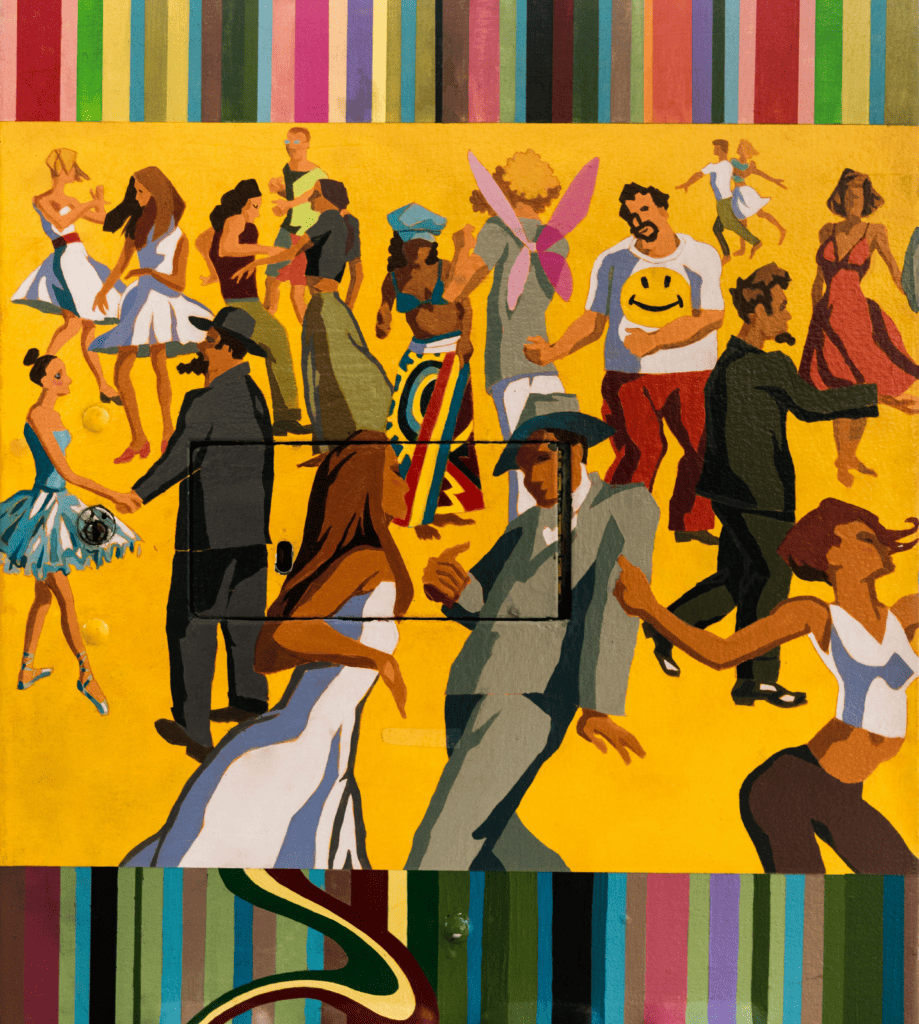
This Harmony Week, let’s celebrate the richness that diversity brings to our lives—including the way we heal. Mental health support should be accessible, inclusive, and affirming for everyone, no matter their background.
If you’re looking for a therapist who values cultural diversity and offers a safe, supportive space, I’d love to connect.
📅 Book a session today or explore more about my approach on my website.
Let’s create a world where mental health care is truly for everyone. 💜
https://www.harmony.gov.au/about
https://www.harmony.gov.au/resources/resources
https://www.bps.org.uk/member-networks/division-clinical-psychology/power-threat-meaning-framework


